


Unpaid wages are the most concrete kind of employment claim. The numbers usually exist in records somewhere, which means it is often possible to work out roughly what is owed instead of arguing about impressions.
They are also the claim people most often decide is too small to pursue — usually because they are comparing the unpaid amount against an imagined cost of pursuing it. In California that comparison frequently misses the largest component.
Final pay has hard deadlines
California does not let final wages wait for the next ordinary payroll run. The DLSE states the rules directly:
- Discharged: “An employee who is discharged must be paid all of his or her wages, including accrued vacation, immediately at the time of termination.”
- Quit with at least 72 hours’ notice: paid “at the time of quitting.”
- Quit without that notice: paid “within 72 hours of quitting.”
Note the asymmetry — someone who is discharged is owed payment immediately, not at the end of the pay period and not when HR processes the paperwork.
Note too that accrued vacation is included in both formulations.
The penalty is the part that matters
Where final wages are not paid on time, a penalty under Labor Code § 203 may apply. Per the DLSE, it runs “up to a maximum of 30 days”, the period is “calendar days, and includes weekends and holidays and any other days that the employee would not normally work”, and “Payment of the wages or the commencement of an action stops the penalty from accruing.”
This is measured in days of your pay, not as a percentage of what was withheld. A few hundred dollars withheld from someone earning an ordinary daily rate can carry a penalty many times the original amount.
That is deliberate. The provision exists to make late payment expensive rather than merely inconvenient. It also means “it is only a small amount” is often the wrong way to size the claim.
Section 203 has its own elements, so whether it applies to particular facts is something to work through rather than assume.
Where wages actually go missing
Beyond the final paycheck:
- Overtime not paid, or calculated on a rate that excludes bonuses and commissions. California owes overtime after eight hours in a day, not only after forty in a week — see unpaid overtime.
- Meal and rest period premiums never paid — one additional hour of pay for each workday a break was not provided.
- Off-the-clock work before or after a shift: setup, security checks, system boot-up, handovers.
- Business expenses absorbed by you — phone, mileage, tools, equipment. These rarely show up as a deduction because the money simply never arrived.
- Commissions and bonuses withheld on separation or recalculated afterwards.
- Deductions taken to recover alleged shortfalls, losses or damage.
- Misclassification as an independent contractor, which removes access to most of the above — see misclassification.
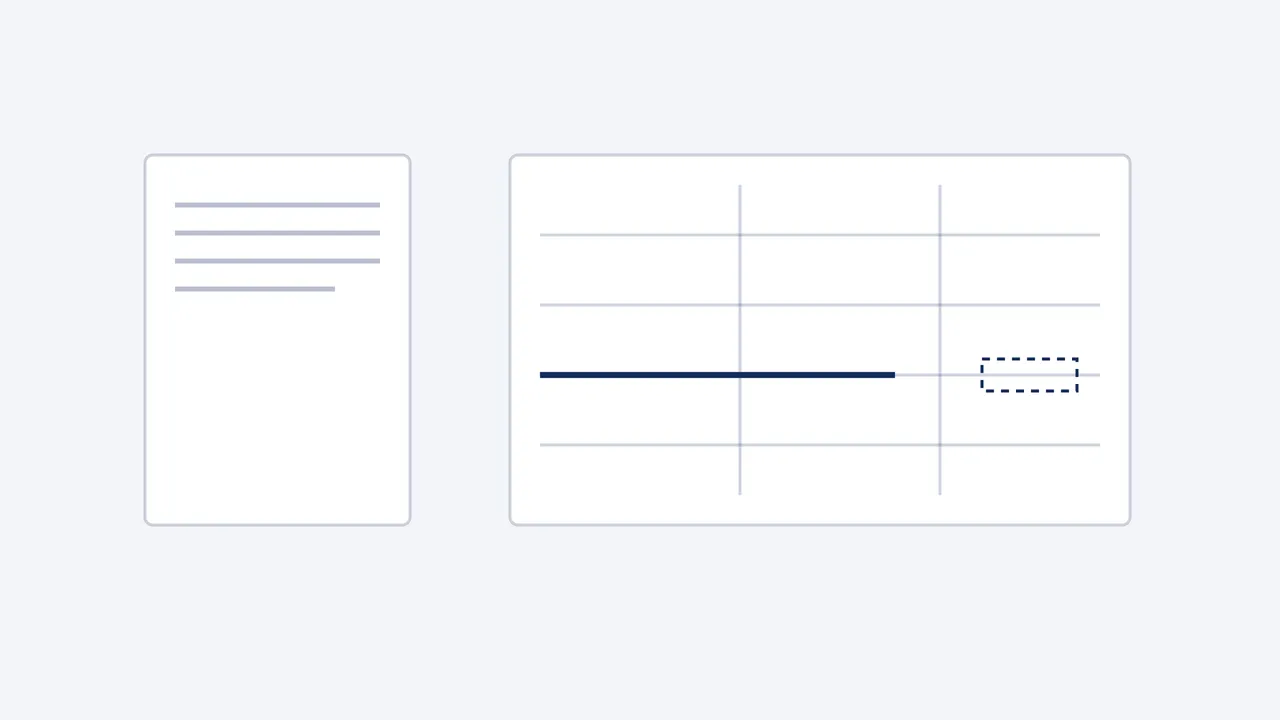
Compare pay stubs, schedules and time records with the hours you actually worked.
If it happened to you, it happened to others
Payroll practices are set once, centrally, and applied to a category of staff. A formula that excluded your bonus from the overtime rate excluded everyone’s. An auto-deduction that removed thirty minutes whether or not you took a break did the same for the whole shift.
That is worth knowing because it changes how a claim is best brought, and because it means the documentation you need frequently already exists in a form that covers more than your own hours.
One more thing
If your wages went unpaid after you raised a concern, that sequence may support a separate claim. Labor Code § 98.6 expressly protects an employee who made a written or oral complaint that they are owed unpaid wages — see retaliation.
Keep your pay stubs, schedules and time records, and note what you actually worked. Where the employer’s records and yours disagree, that is an ordinary starting point: California places the record-keeping obligation on the employer, not on you.
Every claim has deadlines, and some are short. We go over yours in the first conversation.
Questions people ask
Frequently asked questions
- How quickly must my final paycheck arrive?
- The DLSE states that an employee who is discharged must be paid all wages, including accrued vacation, immediately at the time of termination. An employee who quits with at least 72 hours notice must be paid at the time of quitting; one who quits without that notice must be paid within 72 hours.
- What is the waiting time penalty worth?
- It is measured in days of pay rather than as a share of what was withheld. The DLSE states it runs up to a maximum of 30 days, counted in calendar days including weekends, holidays and days you would not normally work, and that payment of the wages or the commencement of an action stops it accruing.
- My employer says it is a payroll error. Does that change anything?
- An explanation is not a payment. The rules are measured against when the wages actually reached you. Section 203 has its own elements, including how the failure to pay is characterized, so whether a penalty applies is a question to work through rather than assume either way.
- Can they deduct things from my final pay?
- California limits what an employer may deduct, and deductions made to recover alleged losses, shortfalls or damage are a common source of unlawful withholding. If money was taken out of your final paycheck, what it was for and whether you agreed to it in advance both matter.
On this subject
Related
Articles
Read next

Written by
Founder, SoCo Law Firm P.C.
Last reviewed .
This article is general information about California law, not legal advice, and reading it does not create an attorney–client relationship. Legal standards and deadlines change — verify anything you intend to rely on, or ask us.